African titbits, Campfire tales, Kenya, Lions

Christian, a remarkable lion

Africa is full of big animals, big characters and big landscapes. It’s where you’ll find the world’s largest land mammal, legendary explorers and the Great Rift Valley. Yet even amongst such well known, if not always illustrious company, some stories stand out. One is that of Christian the lion.

Christian’s was no mere common or garden lion. His story begins as a young cub in Harrods. In 1969, he was spotted by John Rendall and Anthony “Ace” Bourke who bought Christian and swept him home to Chelsea, where he lived in the basement beneath their furniture shop. He took walks in a local garden, and charmed visitors to John and Ace’s furniture shop.

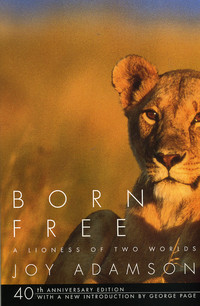
Born FreeHowever, dear Christian, though a remarkable lion, was becoming rather large, and began to startle visitors to the furniture store. Fortunately, two such visitors included actors Bill Travers and Virginia McKenna who’d recently starred in Born Free- the true story of Elsa, the orphaned lioness raised by George and Joy Adamson.

And so Christian moved from the King’s Road to the wilds of Northern Kenya (via a stint in the Traver’s country garden). He was released from George Adamson’s camp at Kora, far from the dangers posed by hunters, tourists, or local villagers. However, Christian still had wild lions to contend with who resented the male interloper smoothing in on their territory. He formed an alliance with “Boy” (a semi-tame male who’d starred in Born Free), and eventually became the head of his own pride. He left George’s camp for longer and longer periods of time, until he was seen for the last time, headed in the direction of Meru National Park.

.And while it seems elephants may never forget, lions too must have a long memory. For when Ace and John returned to Kora, there was Christian, running up for what looks remarkably like a bear hug. Or should that be a lion hug?

Africa, Birds, Wildlife

Our dirty secret: we think twitching is really rather cool

It took a journey of nearly 2,000 miles before the secret came out. We’d travelled through the Pyrenees, the Atlas Mountains and crossed the Sahara. We’d been impossibly drunk in Marrakech, and crossed a minefield into Mauritania, but we still hadn’t talked about it.  Then, as we were ducking down a back road to the Senegalese border, one of the girls in our vehicle muttered “Actually, I quite like birds…”

Birdwatching safaris in Zambia
Bee Eaters in Zambia (with thanks to our ever-talented friend Katie for the pic)

Somehow being a birdwatcher (or, that rather dodgy-sounding alternative, “twitcher”) still carries a certain stigma. Say you like birds and people assume that while you might be able to wax lyrical about wattled cranes, you probably aren’t all that much fun at parties, and they strongly suspect that you might find it a bit tricky looking members of the opposite sex in the eye. But birds are utterly marvellous.  As we drove through no-man’s land that day, each of the four passengers in our vehicle slowly admitted that twitching was pretty damn cool.

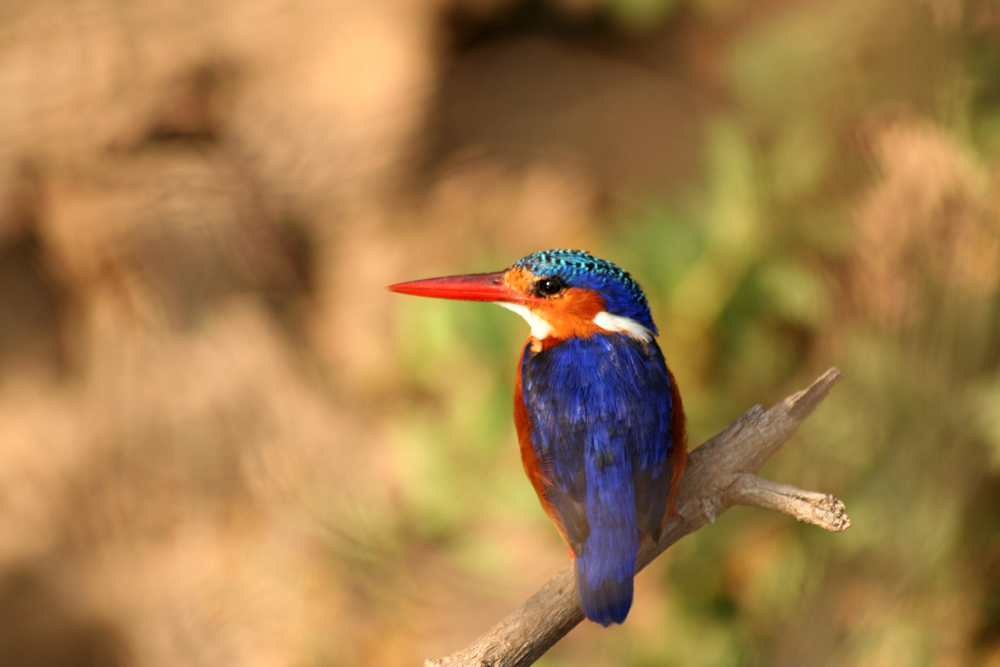
Malachite Kingfisher on a boat safari from Selous Impala Camp
Malachite Kingfisher spotted near Impala Camp in the Selous

The first thing you learn when you go on safari in Africa is that everyday birds aren’t limited to the typical LBJ’s (Little Brown Jobs) that frequent British back gardens.  Take a boat safari in Tanzania’s Selous Game Reserve for instance, and you’ll see the bright blue flash of malachite kingfishers diving in and out of the water, and hear the endless call of fish eagles overhead. I was instantly seduced.

Later, in Kenya’s Meru National Park I watched, traumatised, as a Bateleur Eagle swooped down and took a baby dik-dik (a tiny, impossibly sweet antelope). Later, in Kafue in Zambia and South Africa’s iSimangaliso Wetlands, I met the African Jacana. Better known as the “Jesus Bird”, the blue-headed Jacana seems to actually walk on water. It skiddle-skaddles across the surface at a remarkable, if comedic, speed- who could fail to be impressed? However, my all-time favourite bird is the black egret, which cunningly tricks fish into thinking its night time and floating close to the surface. Perfect timing for a black egret evening snack, though this spoonbill doesn’t seem too impressed…

So- if you do just one thing on your African safari- take your binos, you might just be surprised…

Culture, KZN, Self drive, South Africa, Trip Reports, Wildlife

The signs of modern South Africa: A Road Trip around Kwa Zulu Natal

We love visiting Africa, especially on a self drive trip- it’s the best way to experience a country as locals do, rather than flying into remote luxury resorts and never seeing a local village or experiencing an elephant firmly blocking the road. Sometimes it can be exhausting, at others frustrating (a huge thank you to our wonderful client Calynne for putting up with crackly phone calls from deep in the bush), but generally, it’s just wonderful. Most recently we took a road trip around Kwa Zulu Natal and felt as if we’d finally discovered the soul of South Africa (as someone else said- “KZN is where Africa starts…”) Rather than droning on ourselves, just click to let the signs of modern South African speak for themselves…


Campfire tales, Kenya, Lions

The man-eating lions of Tsavo

The British Government began building a railway at vast expense in the face of significant local hostility. Yet despite huge practical obstacles and opposition in parliament the plan soldiered on. Sound familiar?

Yet this was 1896. Building what later became known as the “Lunatic Express”, the British colonial Government in Kenya stuck unrelentingly to their plan. A railway from the Kenyan port of Mombasa to Uganda, was required, and a railway there would be. Even one that included a siding next to the High Commissioner’s mansion so he could head out on hunting parties in privacy. (Thank you Wikipedia, please let that be true). Attacks by local tribesmen, malaria, and huge geographical obstacles wouldn’t get in the way.

Lion on safari in Africa
Lions, not man-eaters. As far as we know.

In 1898 the railway workers hit an obstacle. They needed to build a bridge over the Tsavo River. While building bridges by day was hard work, by night the worker’s camp was troubled by something far more terrifying. Two maneless lions, later known as the Ghost and the Darkness, were killing and eating the Indian railway workers. They built campfires to scare off the lions. They built thick thorny bomas in the style of the local Maasai to shelter their tents. The leader of the project, Lt. Col John Patterson hid out in a tree with his trusty Martini-Enfield rifle. But to no avail.

Hundreds of workers ran away in terror, but still the lions kept coming.  Eventually Patterson shot one huge lion, 9ft 8 from nose to tail. He escaped wounded and returned to camp to stalk Patterson, before eventually dying. It took 8 men to carry his body back to camp. 20 days later the second lion was shot. He was shot 9 times over 11 days before he was eventually killed. They were found to have eaten 10.5 and 24.2 humans respectively. (What happened to the other 0.3 of a person, we can’t possibly comment).

To this day there’s no answer as to what made the Tsavo lions man-eaters. It could’ve been that one was suffering from appalling toothache, than an outbreak of rinderpest meant they had no cattle to prey on, or that they’d grown used to the taste of human flesh by preying on slave caravans heading overland to the coast. The lions ended their days as rugs on Patterson’s floor, and can now be seen in the Chicago Field Museum.

** Please accept our apologies for any inaccuracies. Like all good campfire stories, we’ve told it to the best of our abilities, but we’re prepared to be corrected!

Leopards, Namibia, Sabi Sands, South Luangwa

Where to spot… Leopards

There’s something about spotting a leopard on safari that sets people’s pulses racing.  It’s often men that fall passionately for this slinky cat (sorry boys!)- it’s the ultimate predator, perfectly designed for the silent stalk, the stealthy hunt and the efficient kill.

Luxury Safari in the Sabi Sands
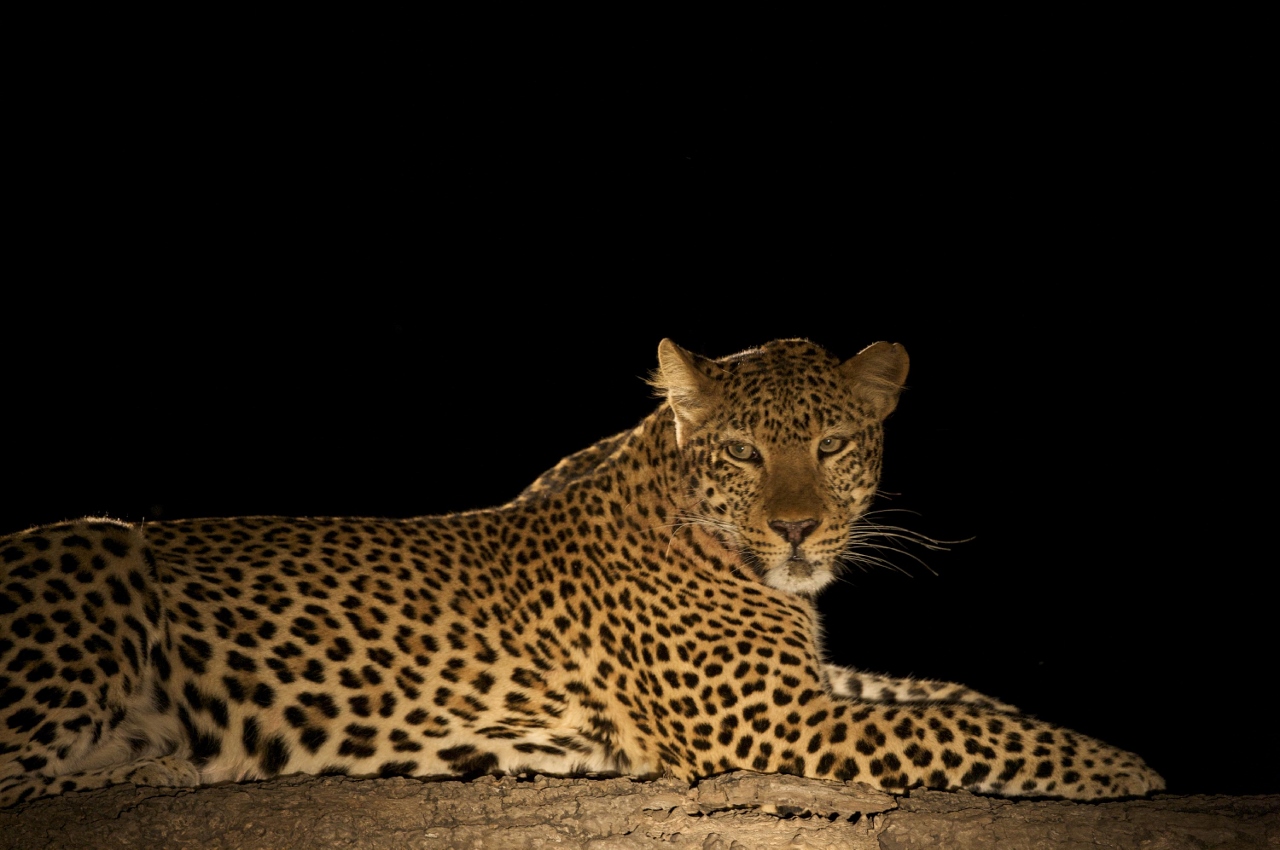
Leopard at Singita Sabi Sand

It’s possible to spot leopards on safari all over Africa, but they’re notoriously elusive. Stories abound about leopards successfully disguising themselves, even amongst large human populations. Legend holds that when a lone leopard was spotted on Nairobi railway station, the storyteller was rubbished. 3 years later, the bones of a recently deceased leopardess was spotted under a rarely used platform… Well, so the story goes.

For those who want more reliable leopard sightings there are a number of places to visit in Africa where a safari of two or three days should give you a very reliable chance of seeing a leopard. We’ve put some effort into personally checking these out, so do ask us if you have any questions.

Okonjima Safari
Okonjima Leopard

3. Okonjima, Central Highlands, Namibia

The AfriCat Foundation at Okonjima is utterly absorbing for anyone who’s ever been fascinated by the big cats. It’s important to stress- these cats aren’t wild. They’ve been collared and are closely monitored by the research team. This makes it possible to get up close to leopard (also cheetah and wild dog) in a way that’s just not possible elsewhere, and learn more about hands on research and conservation than you would in 10 safaris.

2. South Luangwa, Zambia

I’ve had phenomenal sightings in the South Luangwa and a colleague who (though good at rather tall tales) claims to have spotted 7 leopard in one night drive. The leopard here are often spotted on night game drives with spotlights- this is the time of day when leopard are most active, as they’re on the hunt for fresh food. By day, look for the flicker of a tail up in the sausage trees, where leopards like to lounge on long flat branches.

Luxury Safari in the South Luangwa
Leopard spotted with Bushcamps on safari in the South Luangwa

1. Sabi Sands, South Africa

Without a shadow of a doubt, of all the places I’ve done safari in Africa (and there have been a few) the Sabi Sands has been by far and away the best place to spot leopards.  I’ve tracked adults through the grasses at Lion Sands, watched leopards lounging in trees from Nottens, and most satisfyingly of all, clocked a spotted face stalking me through the reeds over breakfast at Singita Ebony. If you’re a leopard lover, go tomorrow, take my camera, and never look back.

Africa, Elephants, Kenya, Safari, Tanzania, Zambia

Where to watch elephants

Ellies have a special place in my heart. You can keep your lazy lions, and boring buffaloes (though I’m sure anyone who’s been chased up a tree by an angry dugga boy would say they’re far from boring), it’s a sighting of an elephant that makes my safari.

Walking Safari with Elephants, Okavango Delta, Botswana

Ellies have by far and away the most character in the animal kingdom, though I make an honourable exception for monkeys – anyone who’s ever had the sugar swiped from their morning coffee, or a triple-zipped tent miraculously burgled, can’t fail to admire their cunning. Back to elephants though. Watch an ellie for ten minutes, and we’d challenge anyone not to start anthropomorphising. I’ve seen them wipe their eyes when they’re tired, and stayed in camps where elephants drank from the outside shower. I mean, why would you bother going all of the way to the lake to drink when the water was suddenly on, and right there? In spite of their huge size, an elephant will tread delicately to avoid the smallest, most irritating stone, and frankly, when the hustle of the wildebeest migration‘s around, you’re unlikely to see too many elephants- why hang about with all of the noise going on?

Best of all, elephant memories are indeed long, and it’s not unusual for an ellie to recognise a familiar face from years ago. While safari guides tell the occasional tall tale (especially when a beautiful girl’s involved) I know at least one straight-talking bush lover who has sat in a vehicle and watched, astonished, as an elephant came racing forward, plunging straight into the vehicle with her trunk. Instead of attacking she felt gently round with her trunk to greet the guide, and returned minutes later, gently nudging her young calf forwards to meet a familar friend.

Have I won you over yet? Ooooh, I do hope so! I once planned a safari for an elephant lover, and if I could do so again, these would be my top picks:
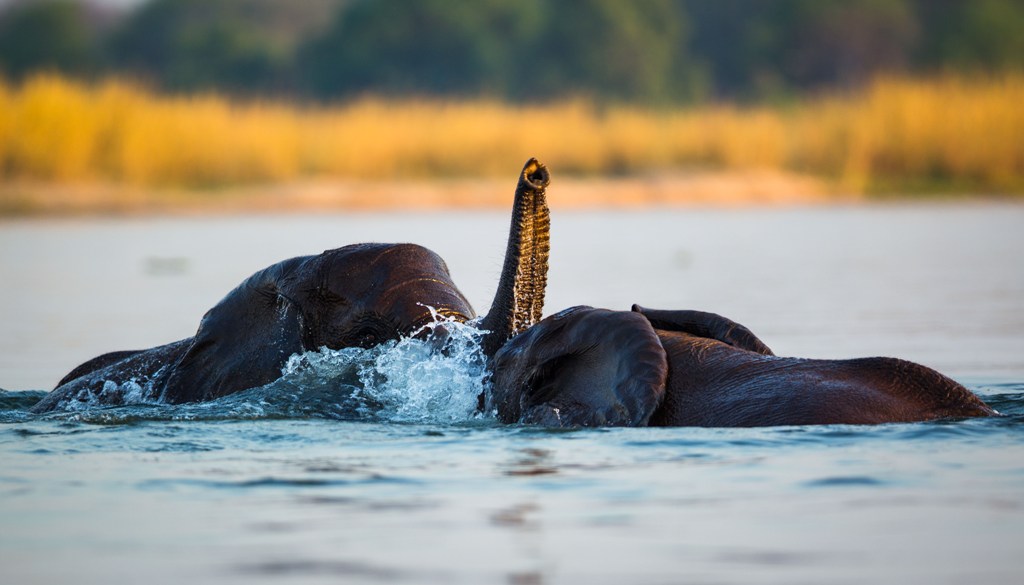
Elephants Crossing the Zambezi, near Chongwe, Zambia

Selous Game Reserve, Tanzania & Lower Zambezi National Park, Zambia
These two glorious parks are both dominated by their rivers, and a late afternoon boat safari is one of the great joys of a visit here. More particularly, the chance to witness elephants crossing the river. Several years ago, on a Tanzanian safari, I watched a family crossing the Rufiji River in the Selous. First came the naughty teenagers- rushing forwards to fill their trunks with water and spraying each other. Then, the nervous babies holding their trunks high to keep breathing. Finally, the mummies, hustling everyone forwards with their trunks and keeping the whole show on the road.

The Nairobi Elephant Orphanage, Kenya

This comes with a serious warning. If you’ve never fallen in love, this could be your moment. The young elephants here have all been tragically orphaned, many by poaching, and all have heart-rending stories. We can add a day in Nairobi into any Kenyan safari, and at 11 each morning you can visit for an hour, watching the ellies as they come out for their morning play. Our top tip? We’d seriously consider fostering an elephant. Not only are you helping to support these tiny, brave little fellows, but also, sponsors are often given the chance to visit again in the afternoon, without all of the other tourists.

Walking with Elephants on a luxury safari in Botswana

Stanley’s Camp, Okavango Delta, Botswana
It’s fair to say that a safari in Botswana doesn’t come cheap, but the chance to walk hand in trunk with an elephant as he goes about his day? Well, as MasterCard might say, priceless. As an added extra to a stay at Stanley’s (if you talk to me, I’ll tell you it’s mandatory), you can spend a morning wandering through the bush -or having lunch- with orphans Jabu, Thembi, and Morula, and their adoptive human parents, Doug and Sandi.

Still not sold? Try reading the autobiography of Daphne Sheldrick, a woman who’s devoted much of her life to elephants.