Adventure, Africa, Gorilla Trekking, Gorillas, Rwanda, Top tips, Uganda, Wildlife

Etiquette…for gorillas

Though they may, technically, be animals, it turns out that gorillas have every bit as complicated social rules as we do. Obviously, no-one wants to visit somewhere new and not fit in with the locals, so we’ve put together our very own gorilla trekking etiquette guide to help you get the most out of your adventure.
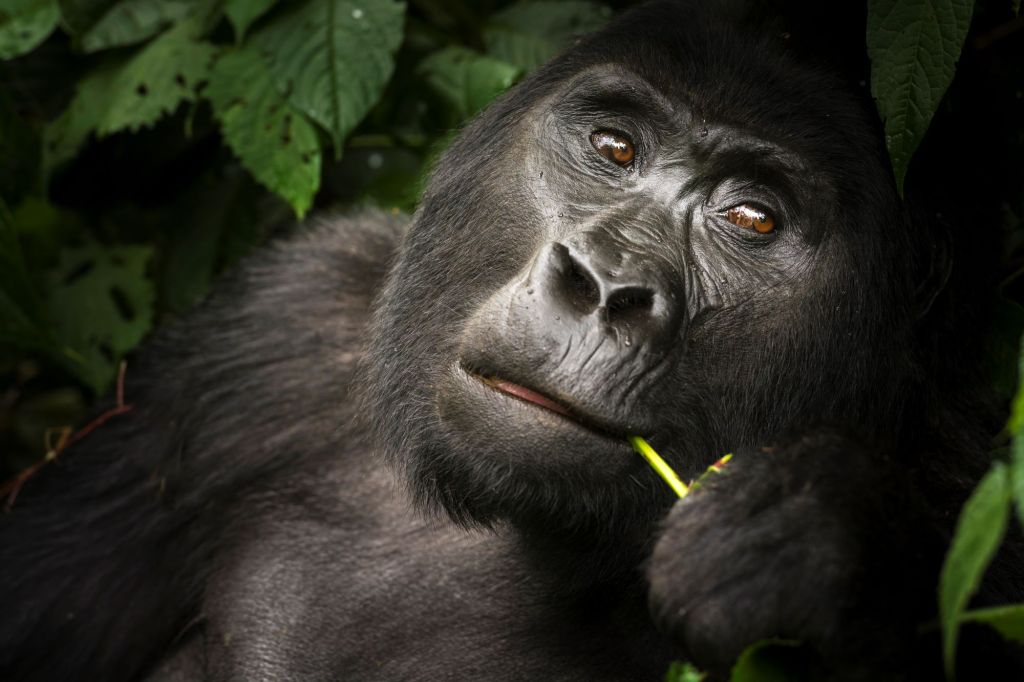
Gorilla from Buhoma Lodge
  • When you first meet the gorillas your guide will normally advise you to crouch down behind him, in such a position that the alpha male can see you clearly. This is a submissive and unthreatening position and shows you aren’t trying to challenge his authority. The silverback is the big boss, and we’ll all do well to remember it!
  • Try to keep your distance. Young gorillas are irredeemably curious and may try to come close, or even touch you. However, please try to move away slowly and keep space between you and them as you really don’t want the dominant male to see you as a threat to his family- a gorilla charge is nothing short of terrifying. Getting too close is also a major health risk for the gorillas- they share 98% of our DNA so can easily pick up the smallest human bug. Ideally the distance between you and the gorillas should be 7 metres, though with sudden gorilla movements and dense forest this isn’t always possible.
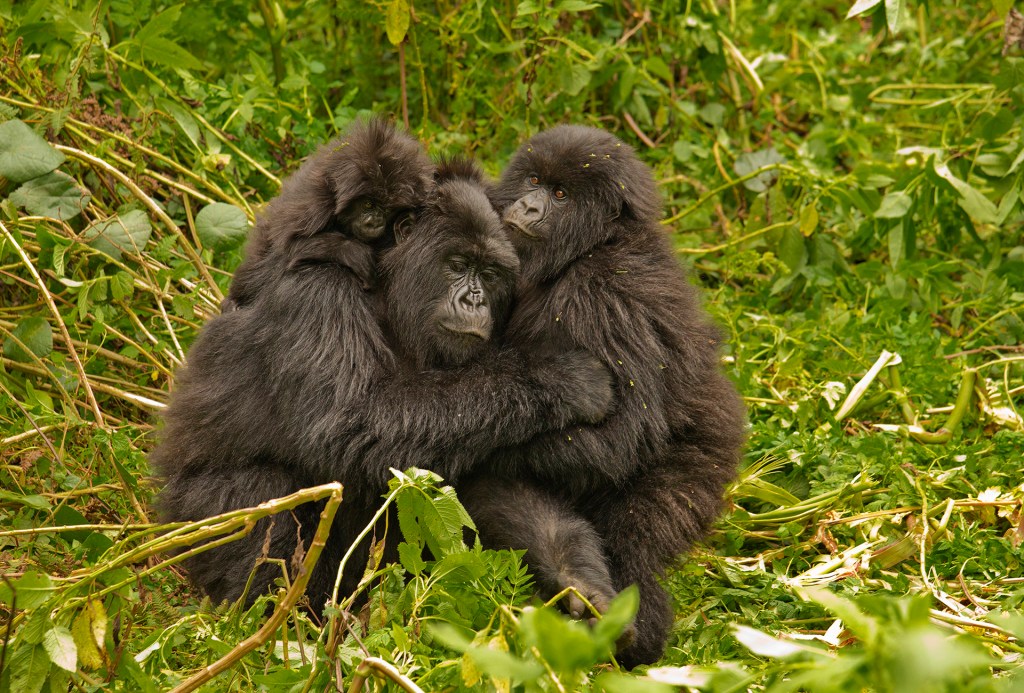
    Gorillas from Virunga Lodge
  • Also to protect the gorillas, you should steer clear of eating or drinking within 200 metres of the gorillas. If gorillas learn to be interested in the contents of your day bag there’s potential for serious safety problems for trekkers. On top of this, human food isn’t necessarily ideal for gorillas, and is an easy way for them to pick up human illnesses.
  • Avoid showing your teeth (this includes broad smiles) or making direct eye contact with a gorilla as these can be seen as an being quite aggressive.

    Gorilla
  • Keep noise to a minimum- sudden movements or loud noises can startle the gorillas. Your hour with them is so precious you don’t want to scare them away!
  • Make sure to learn how to use your camera before you head into the forest. Any flash photography, noises or whirs could startle your subjects and electronic noises are a surefire way to ruin the magic of the forest.

And there it is- a guide to gorilla trekking etiquette that should leave you well set up for a magical hour in the forests of Uganda or Rwanda.

Adventure, Africa, Beaches, Honeymoons, Lions, Safari, Tanzania, Trip Reports, Zanzibar

The wildebeest migration and other incredible animal sightings…a trip report from Tanzania

Hi Alex

So sorry for not getting back to you sooner – we have had a hectic time since returning from honeymoon – we have a new member of our family who we picked up the day after returning from Tanzania, Barney the puppy! He is an adorable bundle of energy who is keeping us busy!

Lions in Tanzania

Our trip was amazing!!! We had the best time ever and saw all the big 5 (the rhinos were in the distance but our guide assured us it was a rhino and not a water buffalo!). On our first afternoon in Tarangire we saw a lion stalk and kill an adult zebra which was exciting (although a little moving when she didn’t have a tight enough grip on the zebra to kill it!). We were also lucky enough to see two river crossings in the northern Serengeti after spending 3-4 hours on our first afternoon there watching the wildebeest walk to the river bank and peer over the side, but not daring to make the jump. We took some amazing photos and our guide even showed us a trick of taking photos with our phones through the binoculars! 

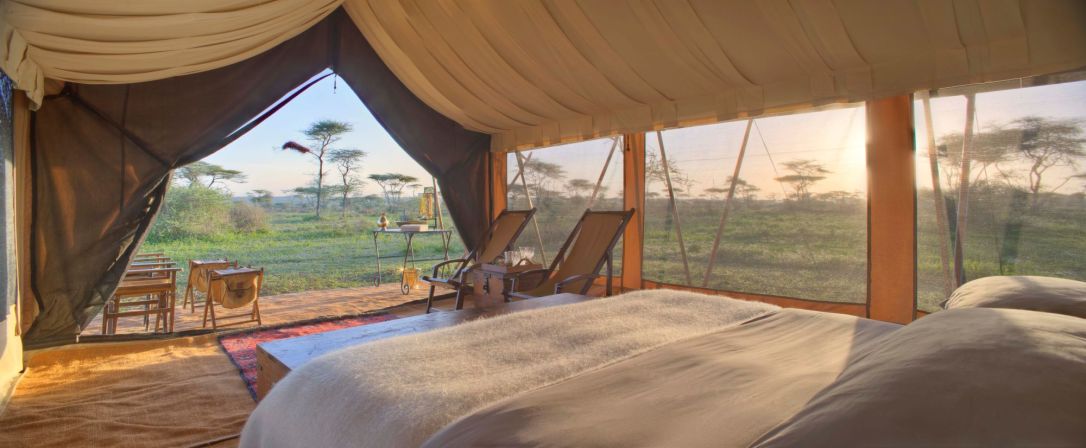
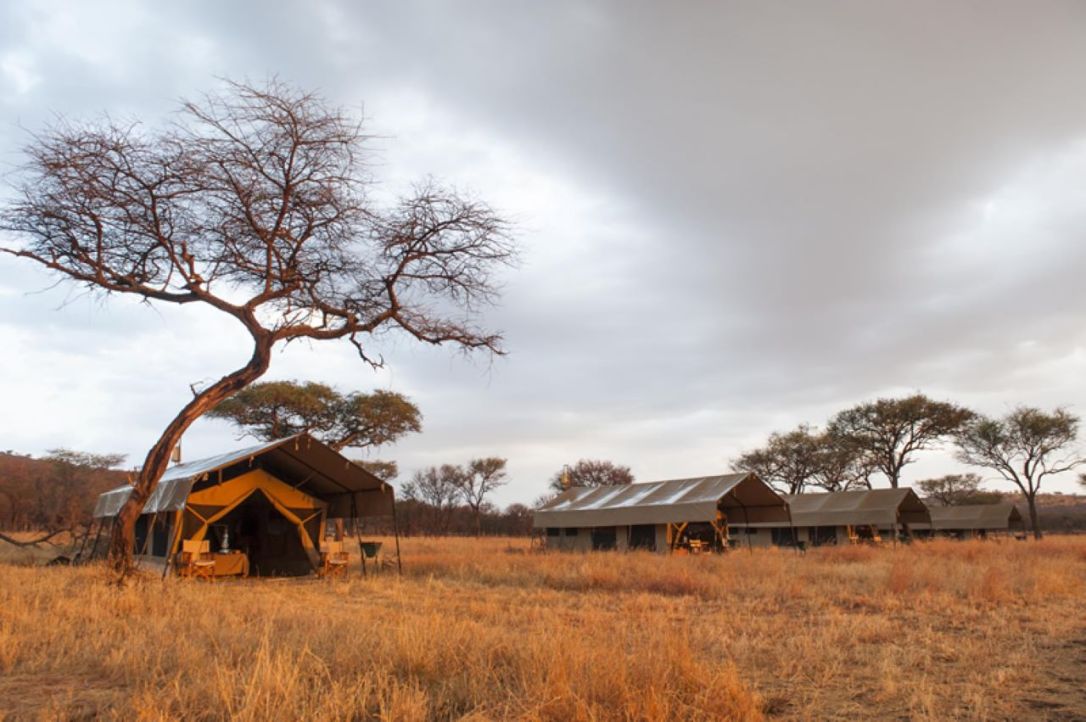
Tented rooms at Kati Kati

All the staff at the camps were lovely and friendly and we loved Kati Kati camp. We heard lions and leopards near our tents at night and we woke up to zebras eating their breakfast as the sun was rising. Eddie our guide was fantastic, so knowledgeable and it felt like we spent a week with David Attenborough teaching us about all the animals. 

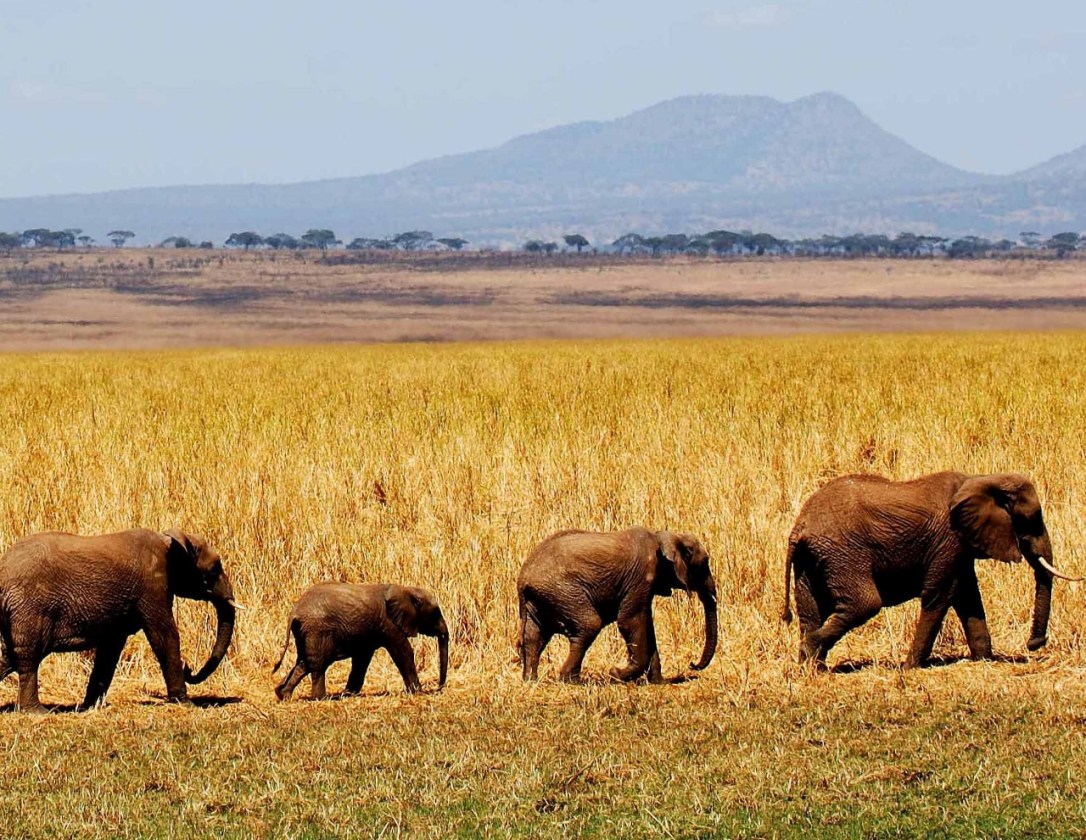
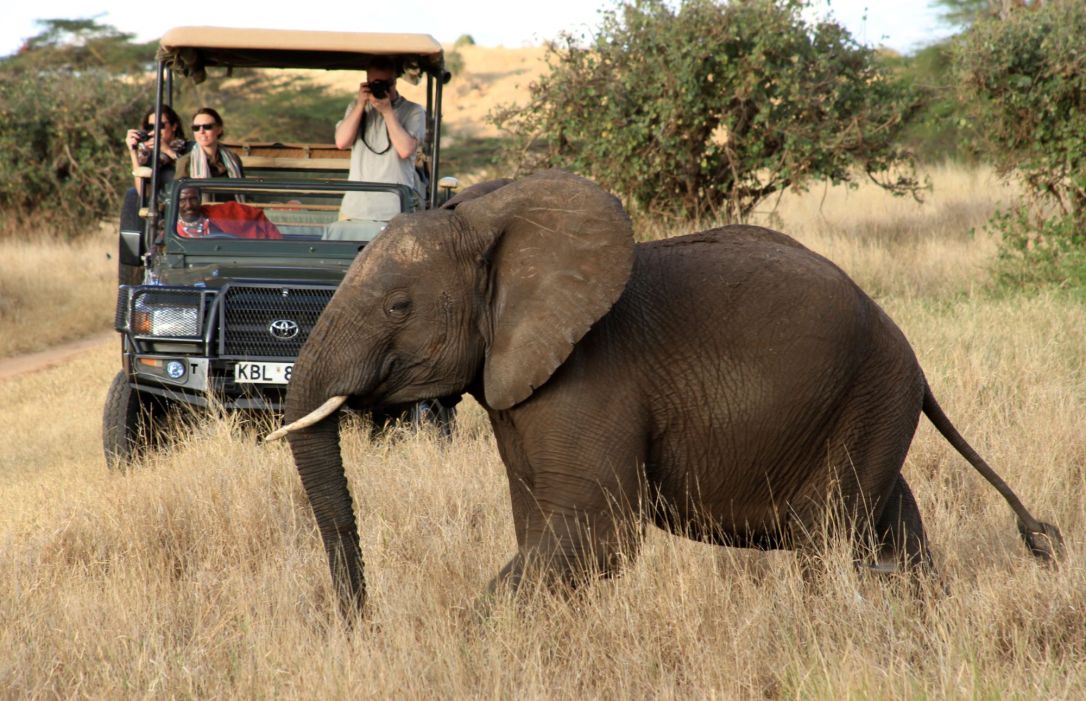
Ellies in Tarangire National Park

Zanzibar was a stark contrast to the safari and it took us a while to get used to relaxing and doing nothing. Breezes was a lovely hotel and we went snorkeling nearby which was fantastic – the best snorkeling and range of fish we have ever seen!

The beachfront at Breezes, Zanzibar

We are glad that we now have Barney to keep us busy as it has reduced our post-honeymoon blues.Thank you so much for all your help making it a trip of a lifetime and we can’t wait to go back and do it all again!

Best wishes

Melissa and Tom!

Adventure, Interviews, Mount Kilimanjaro, People, Tanzania

The rewards and challenges of being a porter on Mt Kilimanjaro

We interviewed the wonderful Cathbert Cosmas who has been a porter on Mount Kilimanjaro in Tanzania for the past eight years.  Porters do the most incredible job of ferrying climbers’ food and equipment up the mountain while expertly guiding the group,  helping set up camp each night, and cooking hearty meals to boost you up the next part of the climb.    Often, a porter’s job can be incredibly tough and you will come across porters up the mountain wearing just flip flops, surviving on very little food and water, and with a distinct lack of decent clothing or sleeping equipment often working for very little or no money at all.  In order to combat these difficult working conditions, KPAP (Kilimanjaro Porters Assistance Project) are working hard to improve conditions for the porters and we are very proud to be working alongside KPAP ensuring that the porters we use enjoy fair working conditions, pay and treatment.
Read on to find out more about this physically taxing yet hugely rewarding job as well as hearing more about the wonders of climbing Mount Kilimanjaro – maybe it’ll even inspire you to include a trip to Kili on your next trip to Africa!
Cathbert Cosmas
How did you start out as a porter?
Actually there is no any training involved for a person to become a porter. I actually found it as a job and started as a porter without any training.
What are your favourite parts of your job?
My favourite part is to see animals in the wild but also interacting with other co-workers sharing some experiences and to do the best of my job as a porter. Also mixing up with different people with different stories.
Climbers at the summit
What sort of wildlife do you normally see during a Kili climb?
Blue monkey – Primate concentration are highest in the clouded forest at the base of the mountain.
Colobus Monkey – These beautiful monkey have a distinctive black and white colouring with a long bushy tail.
Birdlife – Malachite Sunbird,  these stunningly beautiful birds have a distinctive bright metallic green colouring and small scarlet patch on their chest and can often been seen hooking their long beaks into giant lobelias to extract the nector. Mountain Buzzards, Crowned Eagles and rare Lamergeyer Giant Vulture.
Honey Badgers.
Large Mammals – this include Buffaloes
Four-striped Grass Mouse.
NOTE: The further up the mountain you go,  the less wildlife there is.
Have you had any close calls with wildlife?
No. I had never come across with such situation on the mountain. But sometimes i actually hear stories from some of my co-workers.
Colobus Monkey
What are the challenges of your job?
This depend on your experience but the main challenge will be the altitude and lack of oxygen and how you personally adapt to these changes. The most challenges of my job include the following:
Lack of sleep in sometimes in different camps,  experience rain,  huge wind,  cold all in one week,  extreme altitude above 5500m/18044 feet, high UV level from the sun.
Which is your favourite mountain to climb and why?
Mt. Kilimanjaro is my favourite mountain to climb. This is because it’s situated in my home country of which I like to promote tourism in my country. Secondly it possesses good environmental attraction together with unique species found only in such mountain.
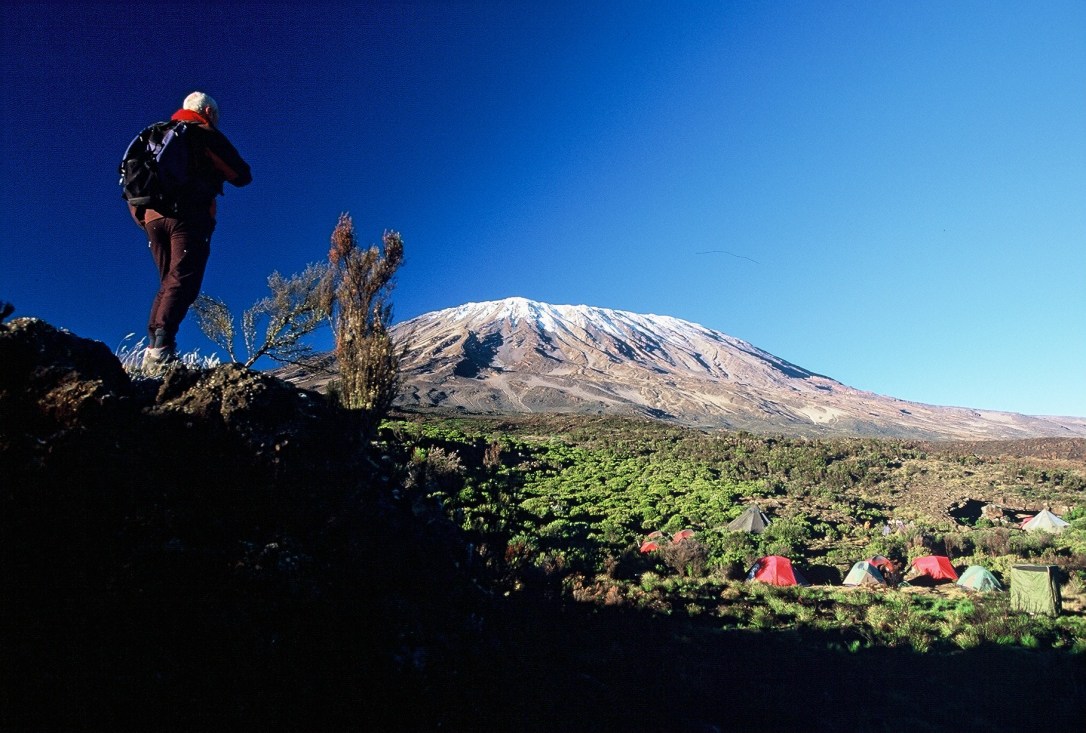
View across to Mt Kilimanjaro
What do you enjoy doing on your days off?
I do enjoy making interaction with some of my neighbours and friends changing ideas and some experience of life from each other,  also reading novels  and having some body exercise at home.
How do you ensure responsible tourism for your Kili climbs?
> Through making optimal use of environmental resources that constitute a key element in tourism development.
> Through maintaining essential ecological processes and helping to conserve natural heritage and biodiversity.
> Also through respecting  socio-cultural authenticity of host communities,  conserve their built and living cultural heritage and traditional values and contribute to inter-cultural understanding and tolerance. Because tourism is the socio interaction of different people and communities.
With huge thanks for Cathbert Cosmas for taking the time to give us an insight into his working life.
Africa, Mount Kilimanjaro, Safari, Tanzania, Trip Reports

Our first EVER clients to summit Kili a day early! Trip Report from Tanzania

Hi Alex,

You are honestly not going to believe this, but I have literally just sat down to start typing a message to you when yours came through! We arrived back early yesterday morning, came home, had a shower and went straight to work – brutal but the best way to slot into a normal routine and get over the jet lag.

We cannot thank you enough for all your help with arrangements, and your patience with all our questions. Without a shadow of a doubt this has been the trip of a lifetime! It was short, but felt like we were away for months – yet neither of us wanted to come home and could’ve quite happily have stayed in the Serengeti 🙂 We cannot fault the arrangements – transfers were smooth, accommodation was brilliant and the people very friendly and attentive. Really appreciate your help with the extra night hotel stay after Kili – we could’ve stayed another night at Mweka camp, however the shower and soft bed was most welcome 🙂


This might sound a little bit nonchalant / arrogant, but we didn’t find Kili that challenging – apart from summit night. It was at the end of Day 2 when we spoke with the guides about the upcoming days and they said based on our fitness and pace the walks for the next couple of days would only be about an hour a day. We struggled with the decision overnight and the morning of Day 3 decided to divert and join the Machame route. Absolutely no regrets  as Day 4 was both our favourites – climbing the Baranco Wall and the Lava Tower. I think the altitude of the Lava Tower (hike high, sleep low) help with our acclimatisation – thankfully neither of us felt the effects of it. But summit night was still a big challenge, and we were both so relieved to have made it to the top.

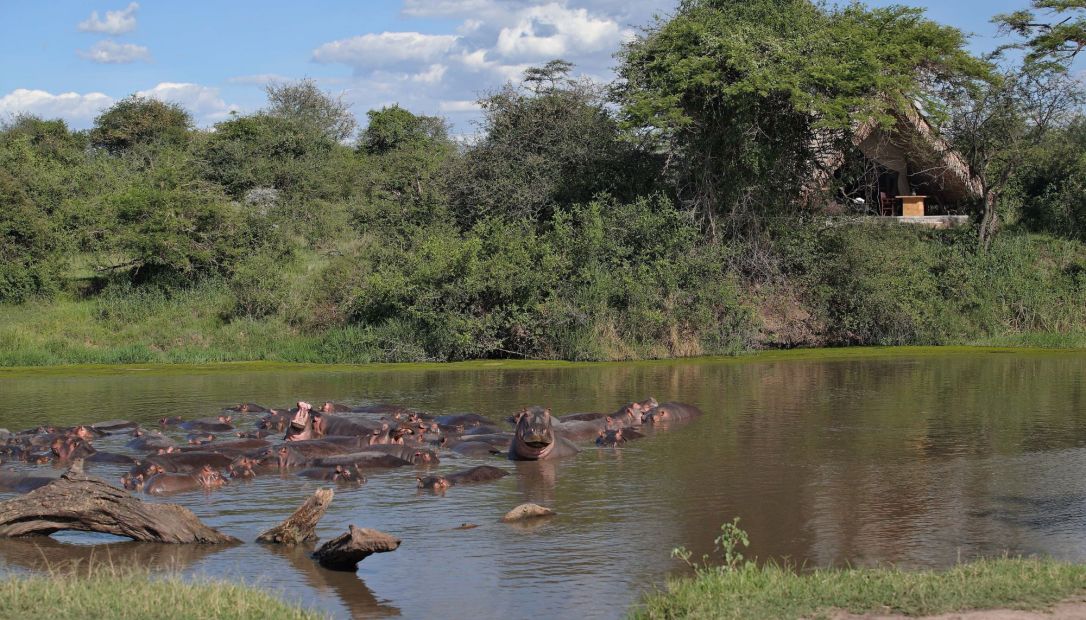
Hippos at Grumeti Serengeti Tented Camp


The Serengeti was superb! We both fell in love with Grumeti Tented Camp – the setting and layout of the camp is nice and intimate and just beautiful. The hippos add a great touch to it, even though a bit scary when they brush past the tents at night. We were very fortunate to have seen the migration at both camps in the end too! Talk about being lucky!

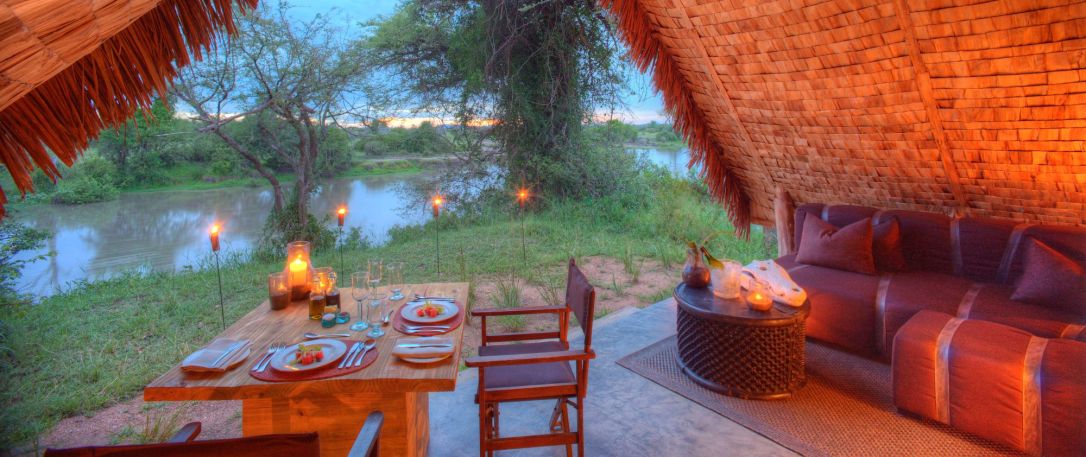
Grumeti Serengeti Tented Safari Camp

I will be writing photography based blogs on the different portions of the trips, and will send them over as soon as they are done. Although it may take a while – I downloaded around 4,000 photos last night, and now need to make the selections for editing…

Serengeti Under Canvas Camp

We will be definitely doing more Africa trips in the (hopefully very) near future and will 100% be in touch about it – the Serengeti is on our radar again, as well as Namibia and Botswana

Let us know how and where is best for us to submit a review for you 🙂

Warm wishes,

Bernard & Nick

Adventure, Africa, Boat safari, Boat safari, Elephants, Interviews, Leopards, Lions, Lower Zambezi, People, Safari, Zambia

Behind the scenes at Amanzi and Anabezi Camps

We had a cup of coffee last week with Shaun Davy, who even brought some African sunshine to Edinburgh with him!  Shaun and his family created the amazing Amanzi and Anabezi Camps in the Lower Zambezi in Zambia so we seized the opportunity to ask him a few questions about setting up the camps and his personal highlights of safari in the Lower Zambezi. Read on for the local’s lowdown…

Shaun Davy

What’s it like building a camp from scratch and why did you choose the Lower Zambezi?

Difficult and rewarding. We have one of the most remote camps in the park so the planning and logistics were challenging to say the least. The nearest hardware store is a 14-hour round trip from camp, but that is how you create a special place – build something beautiful in a beautiful place. The Lower Zambezi has got to be one of the most under visited parks in the region, and we wanted to find a way to share it with people.

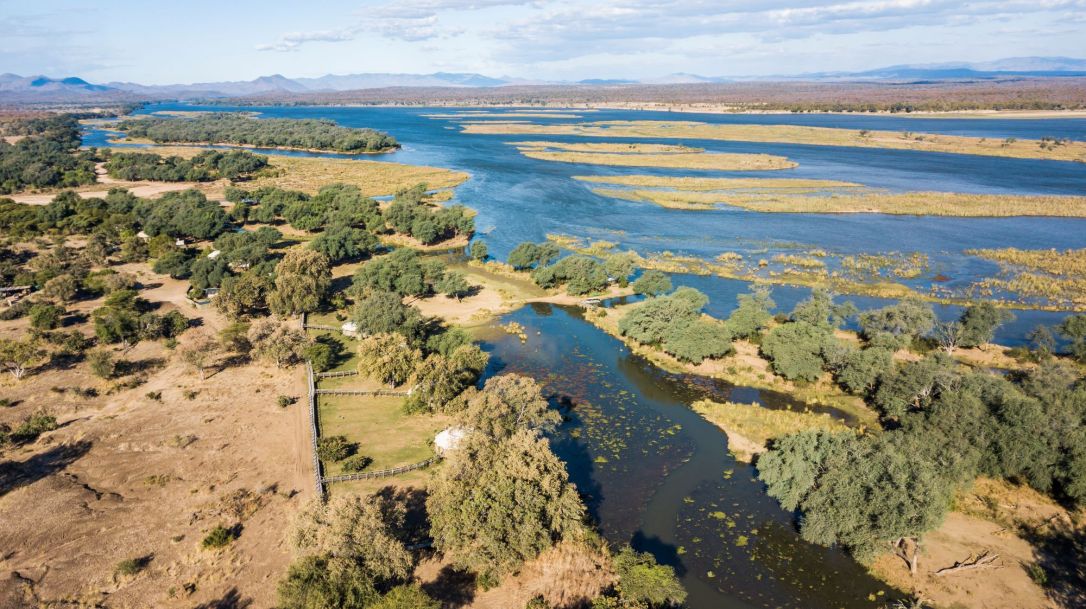
Aerial view of the camp

What do you love about the Lower Zambezi?

The pure beauty of the place, the Zambezi is an iconic river that runs through one of the last accessible wildernesses. To be able to experience this place through so many different activities like canoeing, boating and walking makes the Lower Zambezi a must-do safari experience.

With so many choices, what type of safari do you prefer and why?

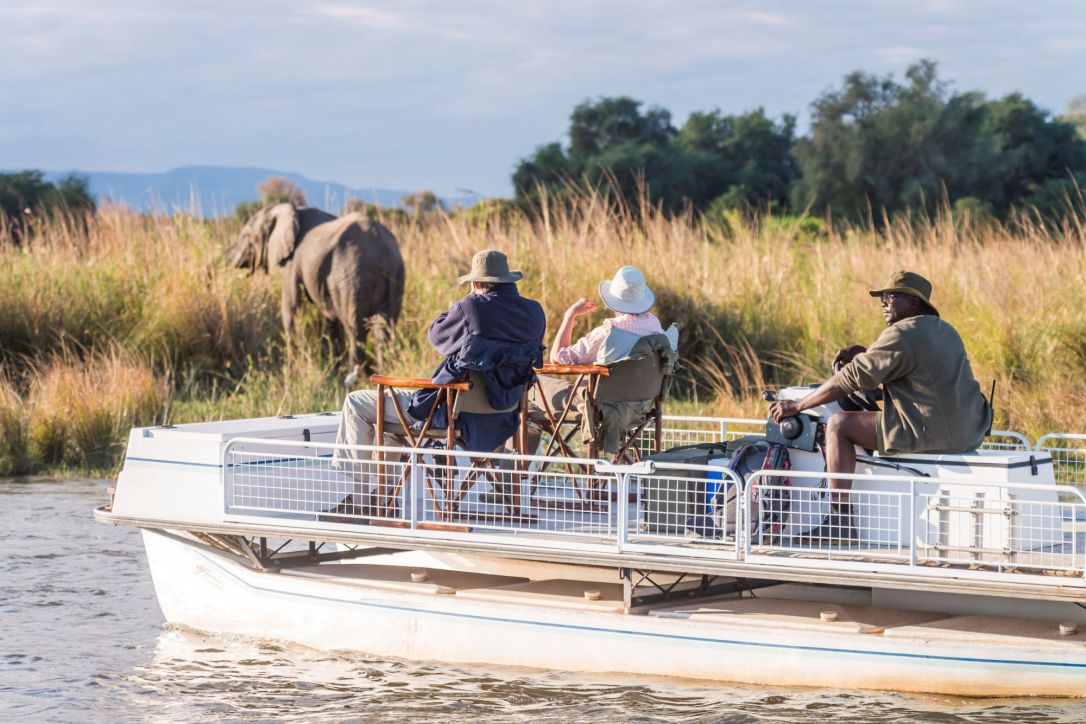
I love being on a boat floating down the Zambezi, there is something special about letting nature pull you through one of its great spectacles.

Boat Safari at Anabezi

What’s been your best wildlife encounter ?

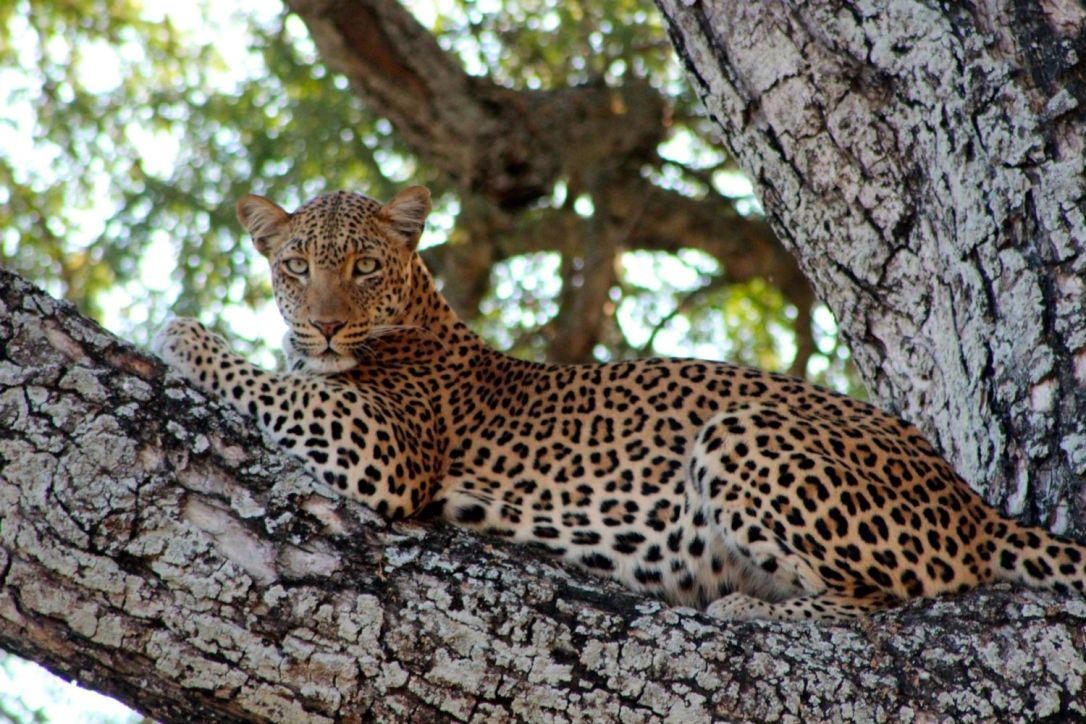
I was on a game drive and we came across a herd of elephants that were all around us. We stopped under a tree to get out of the afternoon sun and observe the herd. Suddenly there were small pieces of bark that started dropping into the vehicle, we looked up and in the tree directly above us was a female leopard who we had not seen but had obviously sought shade in the tree. There was a moment of panic, for all involved, as the leopard decided how it was going to vacate the tree. Fortunately, our guide quickly reversed and the leopard settled back down and allowed me to take one of my most cherished wildlife shots.

Leopard at Anabezi

What do you enjoy doing when you’re in camp?

I love fishing, mostly because it gives me an excuse to spend the day in a boat floating down the Zambezi.

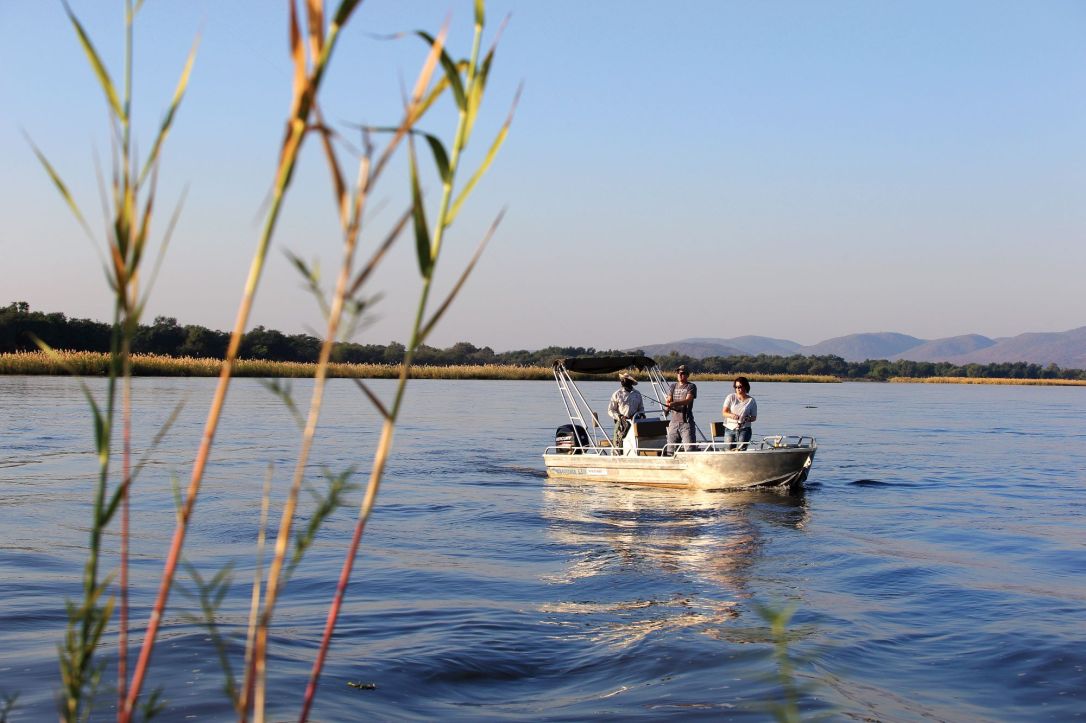
Fishing at Anabezi

Are there any favourite wildlife visitors to camp?

There are six cubs who were born this year to the two daughters of a lone lioness called Guvu (her name means ‘lump’ because she has a growth on the side of her belly). She came to the Anabezi area by herself, fought three males who attacked her, fought them again to protect her two cubs, which she raised to adulthood, and she has now single-handedly established a pride in the area. A real testament to survival and motherhood.

Main area and firepit at Anabezi

And what about memorable experiences for guests in camp?

About two years ago a leopard killed an impala and dragged the kill under Tent 7. The guests in that tent were woken up to the sound of crunching bones. They were thrilled, but we were forced to move them because the leopard left the carcass under their tent and came back to feed the following night; it was not the sound that bothered the guests but the smell that was a bit much!

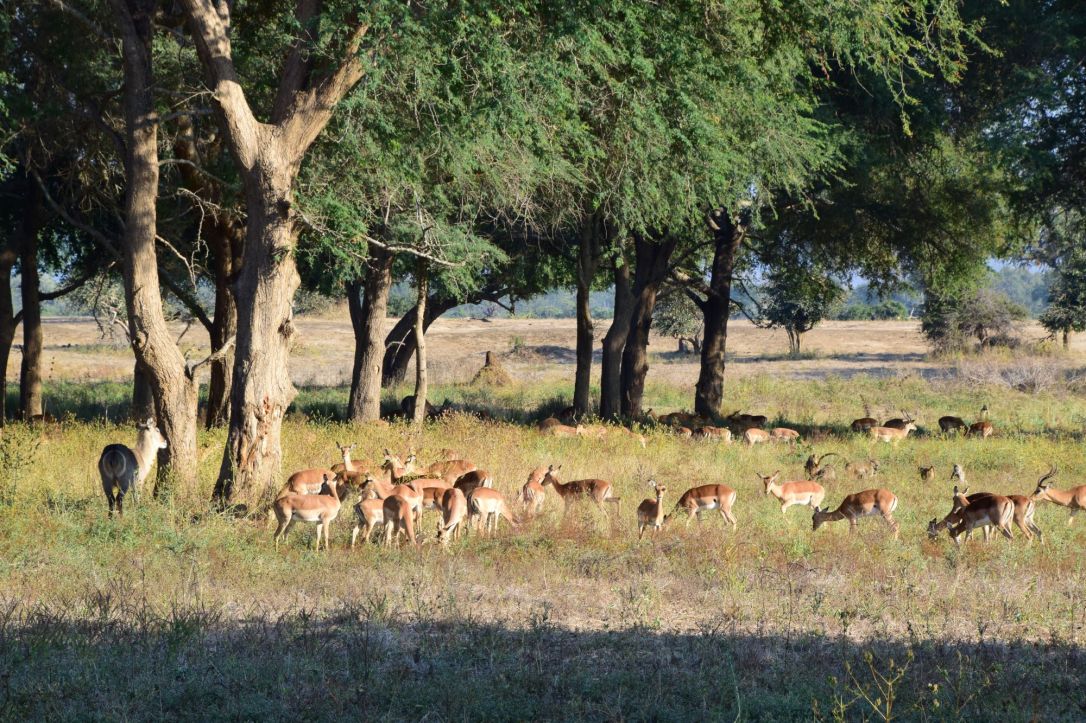
Impalas and waterbuck gathering by the camp

Huge thanks to Shaun for the interview and we’re all now hoping we can get back to the Lower Zambezi so very soon!

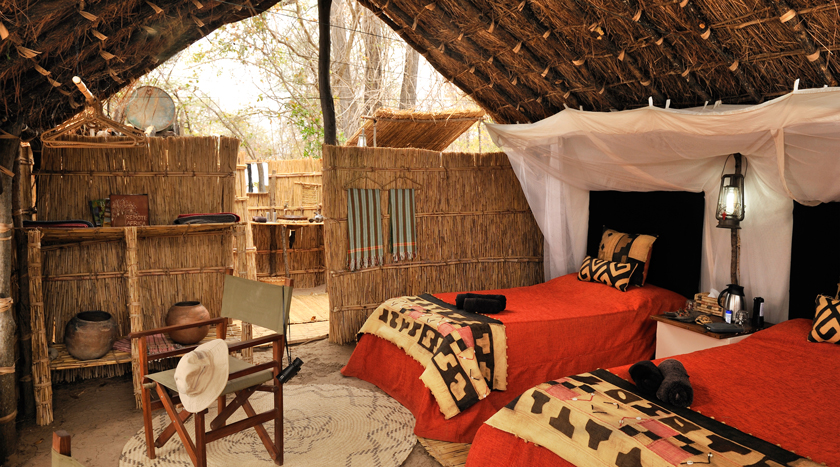
Private terrace and room
Birds, Elephants, Interviews, Leopards, People, Safari, Tanzania

An insight into life as a walking safari guide…

We had a lovely interview with Tony Zephania, one of the walking guides at Namiri Plains.  Tony has had an inspiring career, starting off as a waiter for a safari camp before his enthusiasm for all things wildlife shone through and he was entered into the Asilia training programme to become a fully fledged safari guide.  He is now one of Asilia Africa’s head guides and, as Tony puts it himself, “a childhood dream has come to life”.  Read on to hear more about his love of the smaller wildlife, and some of his experiences on safari.

Tony Zephania

Can you tell us more about Asilia’s Trainee Guide Programme?  
So the duration of the initial walking training was 30 days – this was safe rifle handling, elephant rifle shooting and safe walking how to approach and avoid dangerous animals. Then I did a year as a backup guide with a very experienced walker – totalling to 100 hours of walking – then I was coached and assessed as a lead walking guide for 20 hrs. Fortunately I had learned well as a backup guide and I passed.

What’s the best part of your job?
Birdwatching and exploring the small life on a walking safari.

What’s been your biggest challenge?
When guests come in with high expectations of big game and on walking safaris that is not what we are looking for – we appreciate the smaller life in the bush – who are just as exciting.  I also struggle with guests who do not speak English so I take more time with them to ensure they understand.

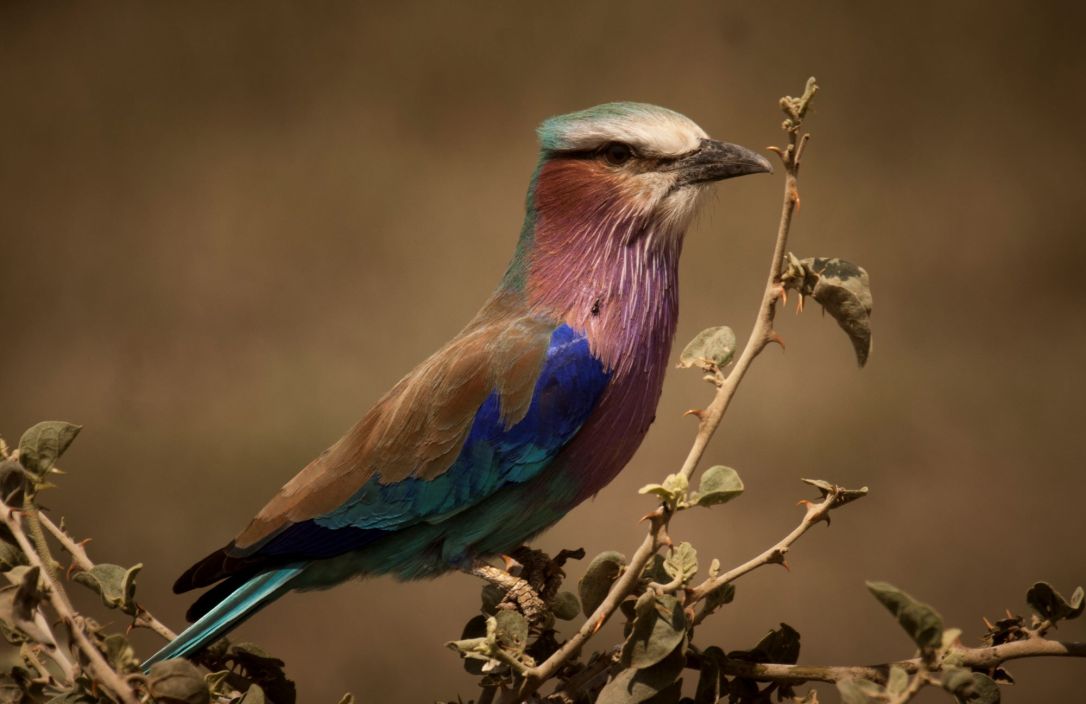
Lilac Breasted Roller

What do you do in your spare time when you’re not with guests?
I like spending my time watching or listening to wildlife programmes. I also like to sit with my guides and discuss work challenges and how to overcome them.

Which National Park is your favourite to visit?
Even though I’m now based in Eastern Serengeti I have to be honest and say it is Ruaha National Park because the wildlife and landscape is so diverse.

What animals do you enjoy seeing on safari?
Birds mainly, but for large mammals, I enjoy watching elephants.

Namiri Plains, Serengeti

How many miles do you end up walking every day?
Depends what we come across and what we see and what the guests want out of their walk- but on average 3 miles a day.

What’s the best experience you’ve had on safari?

When I saw for the first time an elephant giving birth in Ruaha and it was almost dark but I could see everything. So very special and a moment I will never forget.

Have you had any amusing experiences with either animals or guests?
Yes! One of my guests jumped out of the car when we were viewing a leopard and the leopard climbed out of the tree. He did this to impress his fellow photographic friends who had been waiting for hours for the leopard to move. He thought it was very funny but it was so dangerous.

Leopard climbing down a tree

Huge thanks to Tony from Namiri Plains Safari Camp for answering all our questions.  Namiri Plains is currently undergoing a complete refurb, and we’re super excited to see how the renovated camp looks once it reopens in Autumn 2019.


Boat safari, Botswana, Eco-Friendly, Malawi, Mountain Biking, Namibia, Top tips, Zambia

Our top tips on making your trip to Africa more eco-friendly

1. Stay in eco-friendly lodges

We can help you choose lodges with eco-friendly credentials such as Mwaleshi in Zambia’s remote North Luangwa, or Mumbo Island in Malawi for the true Robinson Crusoe getaway. Many of these lodges are powered from solar panels, use compostable loos, and will recycle as much as possible. Even if a lodge doesn’t have particular credentials, you can still do your bit by reducing the number of towel changes in your accommodation, kindly refusing any plastic straws in your sundowners, and trying not to use too many paper napkins.

Mwaleshi Camp, Zambia


2. Choose lodges that give back to the local community

Many of the lodges we use make various forms of charitable contributions to the local area to help with sustainable tourism and other benefits to the environment.  Serra Cafema is one lodge where nearly all the staff are locals, and the land is leased to the Himba people for their livestock grazing.  Make your own contribution by helping with “Pack for a Purpose” which is widely recognised by a lot of the lodges we use.  This involves packing items that will be of use to the area you are travelling to and handing them over to your accommodation when you arrive for distribution.  Let us know if you’d like to contribute and we can suggest some suitable items depending on your destination.

Local Himba People, Serra Cafema

3. Consider alternative modes of transport

Walking and horse riding safaris are the obvious choices here, but how about looking at a mountain bike safari, or for those who’d like a more relaxed version of a biking safari, there’s the option of hiring e-bikes as well.  A few of the lodges, Lewa Wilderness being one, are now adopting electric safari vehicles too, many of which are being charged through solar panels back at the lodge.  Another option would be a leisurely canoe down one of the many rivers, in particular the Okavango Delta, Botswana in a mokoro.

Safari at Lewa Wilderness

4. Use a reusable water bottle

Often these will be supplied by lodges to be used instead of sipping out of plastic cups, and can often be taken home with you afterwards to continue the good work at home!  Many bottles will also claim to keep your drinks ice cold for up to 24 hours, perfect for those long days on safari in the midday heat.

Nomad Tanzania Water Bottle

5. Take a reusable shopping bag

Foldaway shopping bags take up very little space in your luggage and will eliminate the need for plastic bags during your trip.  These would be especially useful if you’re planning a trip to the shops in places like Cape Town, Zanzibar and Nairobi.  Tanzania have also now banned plastic bags completely, so all the more reason to go prepared!

6. Meet the local community

Take a trip into the local villages to meet the locals and browse the local shops.  These shops will provide you with much more authentic gifts and souvenirs than the larger hotel gift shops, and it will help to inject some money back into the local area.  If you’re off gorilla trekking in Uganda, be sure to visit the Bwindi Bar in Buhoma for a refreshing drink or a quick bite to eat.

Bwindi Bar, Buhoma


Adventure, Art, Masai Mara, Mountain Biking, Namibia, Zambia

The Unexpected Five: Some of the more unusual activities you might encounter on safari.

1. Running with a Maasai Warrior

If you’re looking to keep active whilst on safari, how about buddying up for a run with a local Maasai? Cottar’s 1920s Camp will organise one of their Maasai staff to keep you company while you make your way through the bush.  The question is, can you run as fast as them?!

Maasai Moranis at Cottar’s 1920s Camp

2. Painting

Do you enjoy the odd dabble with a paint brush? The lovely Saruni Mara has themed cottages, of which one, The Artist’s Studio, has a collection of drawing materials and an easel for you to let your imagination go wild, and the scenery out the window will keep you enthralled for hours.

The Artist’s Studio, Saruni Mara

3. Star Gazing

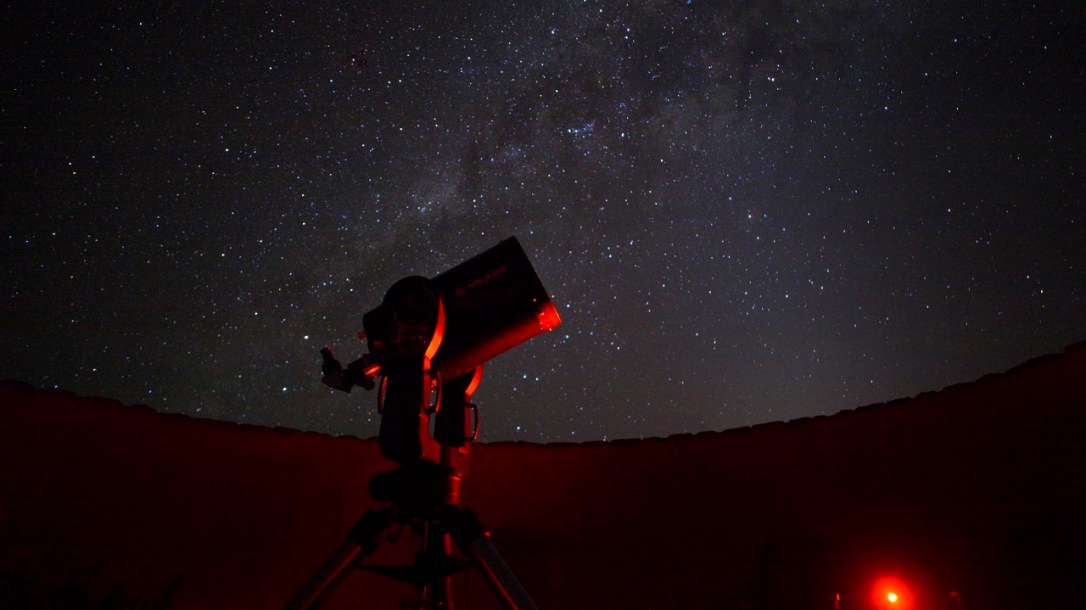
What could be better than being surrounded by silence, miles from the nearest town, in the middle of the Namib Desert and watching the stars above in the inky black sky through your skylight whilst lying in the comfort of your bed? Sossusvlei Desert Lodge in Namibia has just this.  If you’re really serious about your star gazing, they also have their own state of the art observatory where, each evening, you can join resident astronomers who will guide you around Namibia’s skies.  The reserve here is Africa’s only International Dark Sky Reserve.

Star Gazing at Sossusvlei Desert Lodge

4. E-Bike Safari

Plenty of camps offer mountain biking safaris but how about taking the pressure off the legs a bit and trying out an e-bike. Similar to a conventional mountain bike, but with a battery added to it, these bikes will give you an extra helping hand to haul you up the hills, giving you more energy to enjoy the views.

Cottar’s 1920s camp have six e-bikes available (four guests and two guides).

Cottar’s 1920s Camp E-Bikes

5. White water Rafting

If you’re after a way to cool off while getting the adrenaline pumping, then how about a trip to the Zambezi River for some white water rafting?  Along from the Victoria Falls are 70km of warm and fairly turbulent water offering some of the most exhilarating grade 5 rapids in Africa as it surges along the Batoka Gorge.  A perfect base for a little post-rafting luxury would be the Royal Livingstone, a 15 minute walk from the Victoria Falls.

White Water Rafting at The Royal Livingstone
Elephants, Leopards, Safari, South Africa, Trip Reports

Elephants on the Runway…Jenny’s Trip Report

Lovely feedback from our guests who visited South Africa.

Dear Alexandra

As you know we got home on Friday and because we launched straight into a busy weekend I haven’t written sooner to say an enormous thank you to you for arranging what was a truly wonderful holiday.  We really did have the most amazing time – everything worked like clockwork ( apart from the elephant on the runway at Shukuza!!!!!!) and we said so many times while we were there how clever you had been to send us to all the different places which we loved in all their different ways.

Montusi Mountain Lodge

It was lovely when we first arrived to have three days at Montusi to switch off and revel in those views – we thought we couldn’t go better!

Leopard

Three Tree Hill lodge was perfect, Fugitives Drift even better and then the joy of seeing all the animals at the next two places (Notten’s and Makakatana [ed]).  We felt incredibly lucky seeing so many animals although I think the highlight had to be seeing a female leopard one day sleeping and then the following day up a tree with her kill!  We also saw a fabulous male leopard who strolled by the jeep so close we could have just reached out and stroked him!

Notten’s Bush Camp

There is a danger I could get far too carried away with superlatives but we did just want to say a really big thank you.  We saw so much…….. scenery, culture, animals, not to mention being thoroughly pampered everywhere we went with fabulous food and drink as well as meeting so many lovely people in the lodges.  The staff couldn’t have looked after us better giving us such welcomes either on arrival or when we got back from our various expeditions.

Makakatana Bay Lodge

We can understand how you love it!

If we can ever recommend anyone to come your way we will…..

With love Jenny

Chimp Trekking, Chimps, Rwanda, Tanzania, Uganda

Dynasties- the demise of David, and where to see his fellow chimps in the wild

Sob! If you were (like us) gripped by Sunday’s episode of Dynasties, the latest David Attenborough documentary, you’ll be saddened to hear that David (alpha male chimp, not the presenter) has been killed, beaten to death by the younger males in the group. Watching the documentary, it was hard not to cheer this strong, brave, chimp. Desperately wounded in an attack under the cover of darkness, he battled his way back to leadership of the troop. Sadly, this was not to last. He was killed 7 months after filming finished as the males in the group battled it out for dominance and the chance to mate with the female chimps.

Chimp from Kyambura Gorge Lodge
Chimp from Kyambura Gorge Lodge, Uganda

Watching Dynasties, it is all too easy to recognise the politics at play. Chimpanzees are our second closest relatives (the closest are bonobos, found only in the DRC) and perpetually push the boundaries of what it means to be human.

Once it was thought that only human beings used tools, and then chimps were found to use twigs for fishing termite mounds and rocks as weapons. For a while it was thought that only humans could smile, but now we know that chimps also smile. Equally, it was once thought true that only humans were self-aware, but chimps (and also magpies) have been shown to recognise themselves in a mirror. Chimps share 95-98% of our DNA, can catch our diseases, and have, in captivity, learned simple sign language.

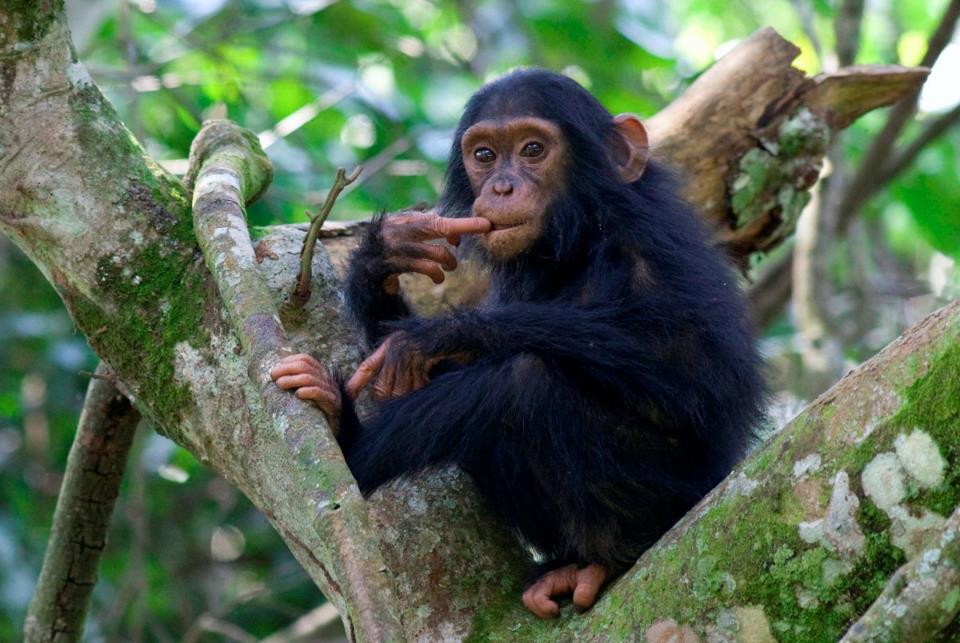
Baby Chimp at Greystoke Mahale
Baby Chimp at Greystoke Mahale, Tanzania

The best places to track chimpanzees

Chimps are found only in Africa, living in the patches of forest which once made up the equatorial rainforest belt. Seeing them in real life can be as moving, fascinating, and at times, as terrifying as Dynasties showed.

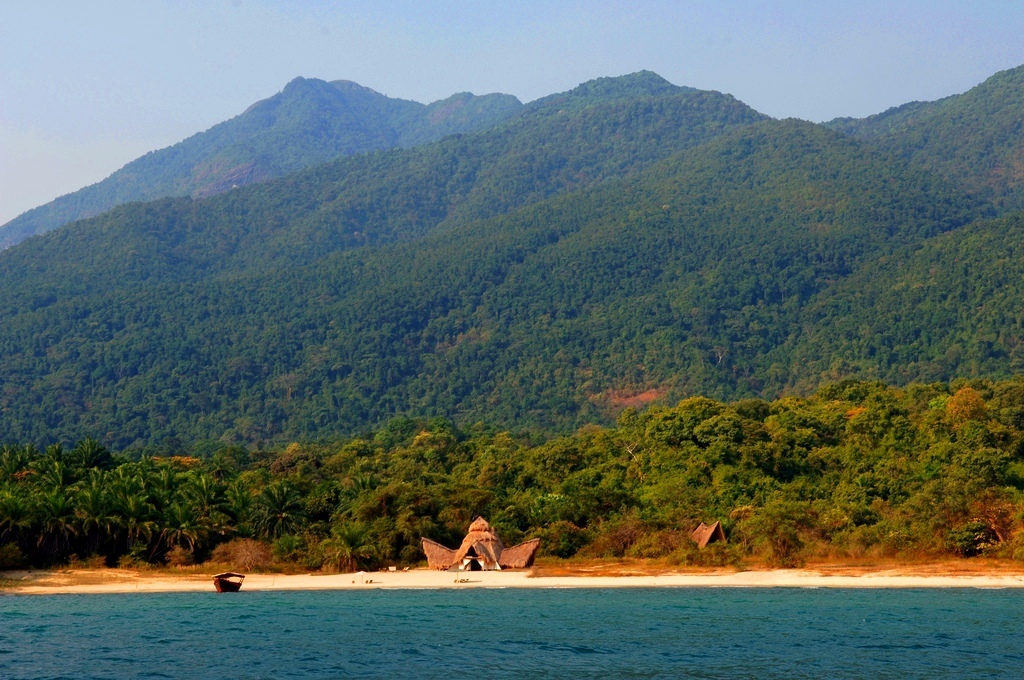
The Mahale Mountains in Tanzania is one of our all-time dream destinations for chimp trekking- not only does it have chimpanzees, but the setting is glorious- mist covered mountains tumbling down to the azure waters of Lake Tanganyika. The downside of Mahale is that it’s remote and can be costly to get to, so many more people go to see the chimpanzees in either Rwanda or Uganda.

Greystoke Mahale
The Mahale Mountains, with Greystoke Mahale

Rwanda’s chimps are found near to Nyungwe Forest, a mecca for birding and hiking and a nice add-on to a few days of gorilla trekking in Volcanoes National Park. In Uganda you are spoilt for choice- probably the best-known place for chimp trekking is Kibale Forest, where sightings of the chimps are usually very reliable. Here, you can also take part in chimpanzee habituation, heading out for the full day with the park rangers to try to acclimate chimps to human presence. Further north, just outside Murchison Falls National Park, you can track chimps in Budongo Forest- many of the excellent guides here were trained by Disney, so they’re excellent at really capturing the magic of the chimpanzees. For those visiting Queen Elizabeth National Park, you can also track chimps at Kyambura Gorge, making chimps in the morning and elephants in the afternoon an entirely reasonable possibility.

If you’re not sure which option would suit you best, we’ve tried them all, so just ask us to point you in the right direction!

Kyambura Chimp
Kyambura Gorge Lodge Chimp, Uganda